THE NEXT SUSTAINABLE MODEL OF RETAIL
Refills of your favorite household products delivered to your door — plastic free.
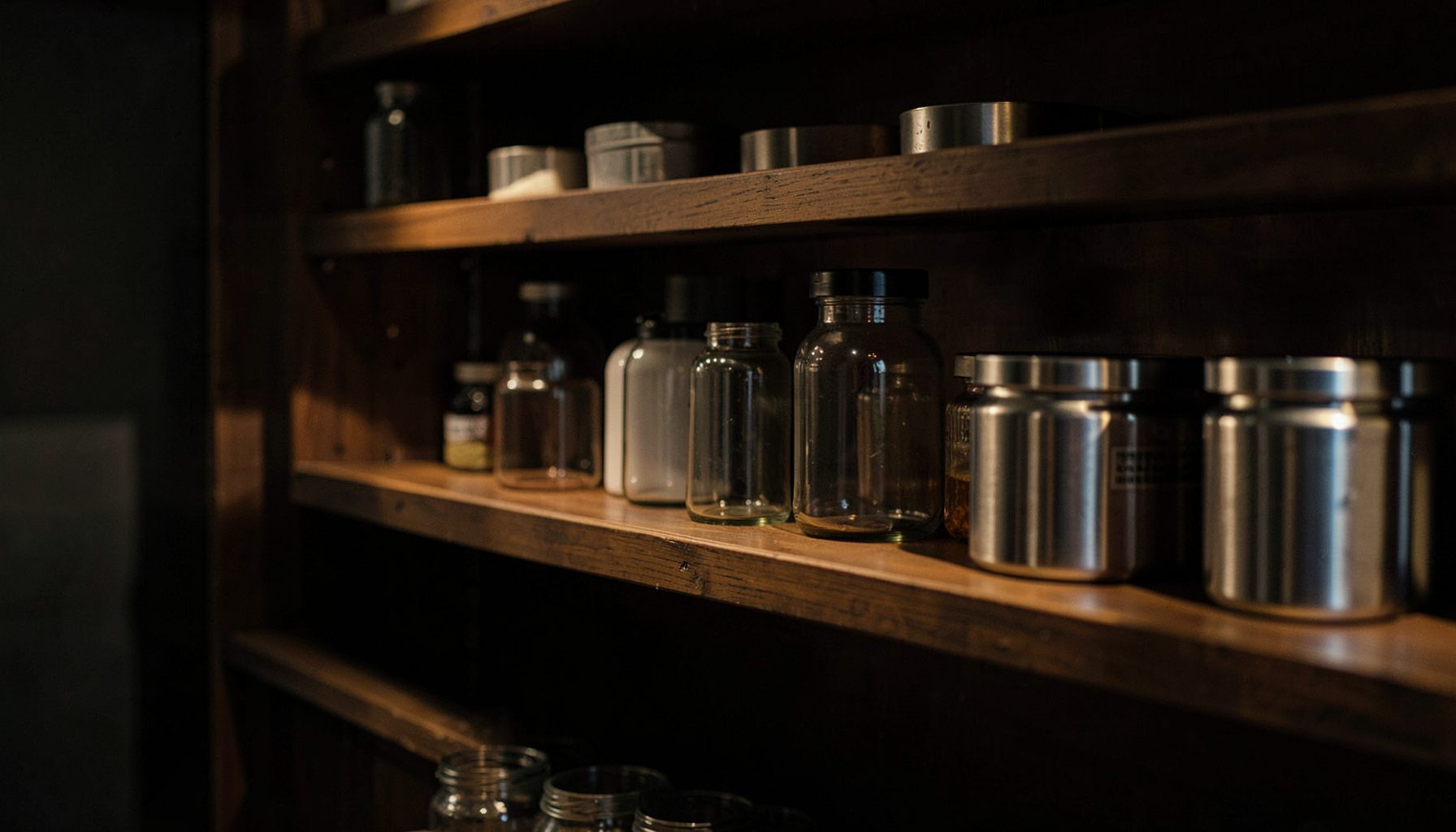
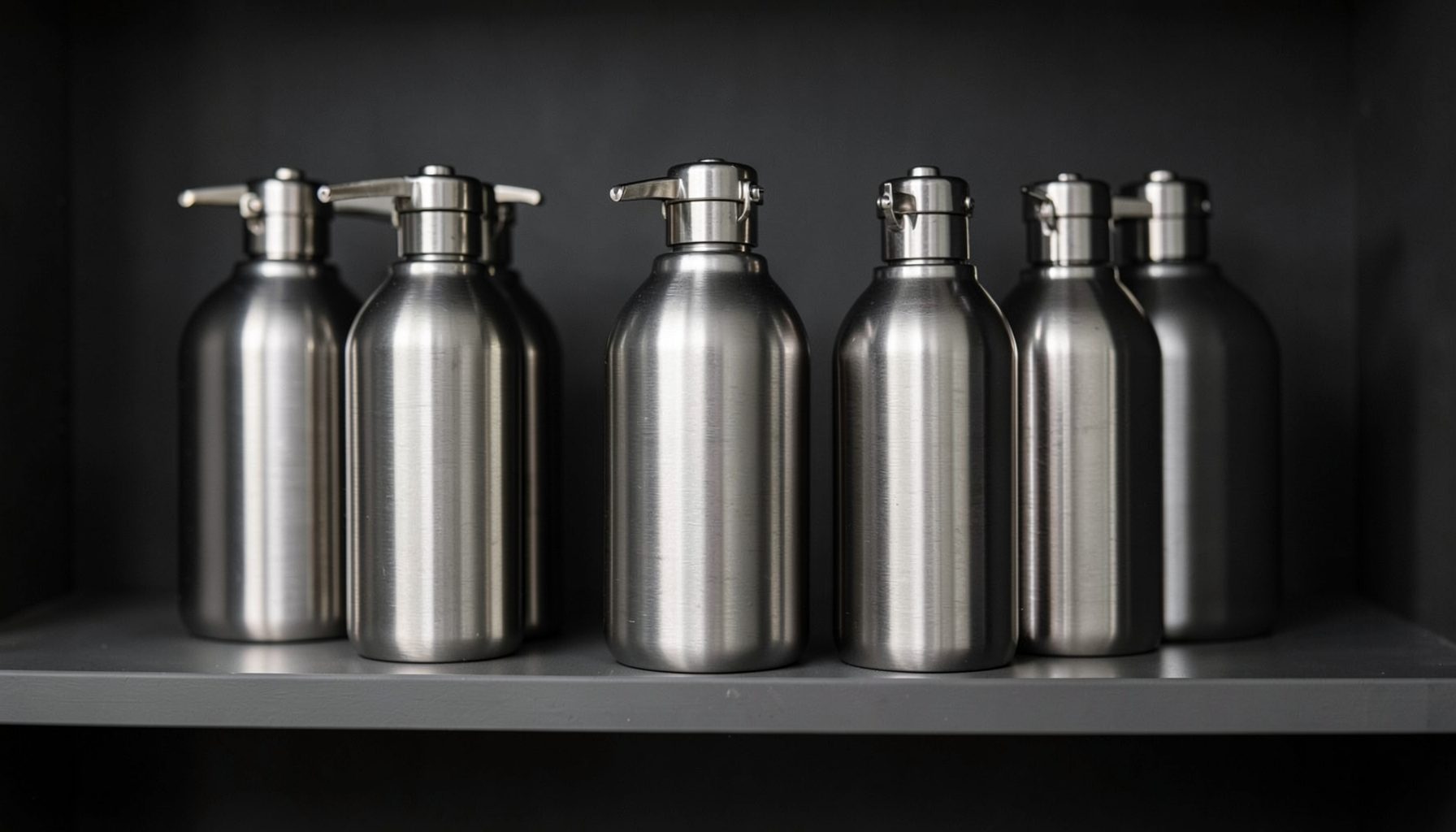
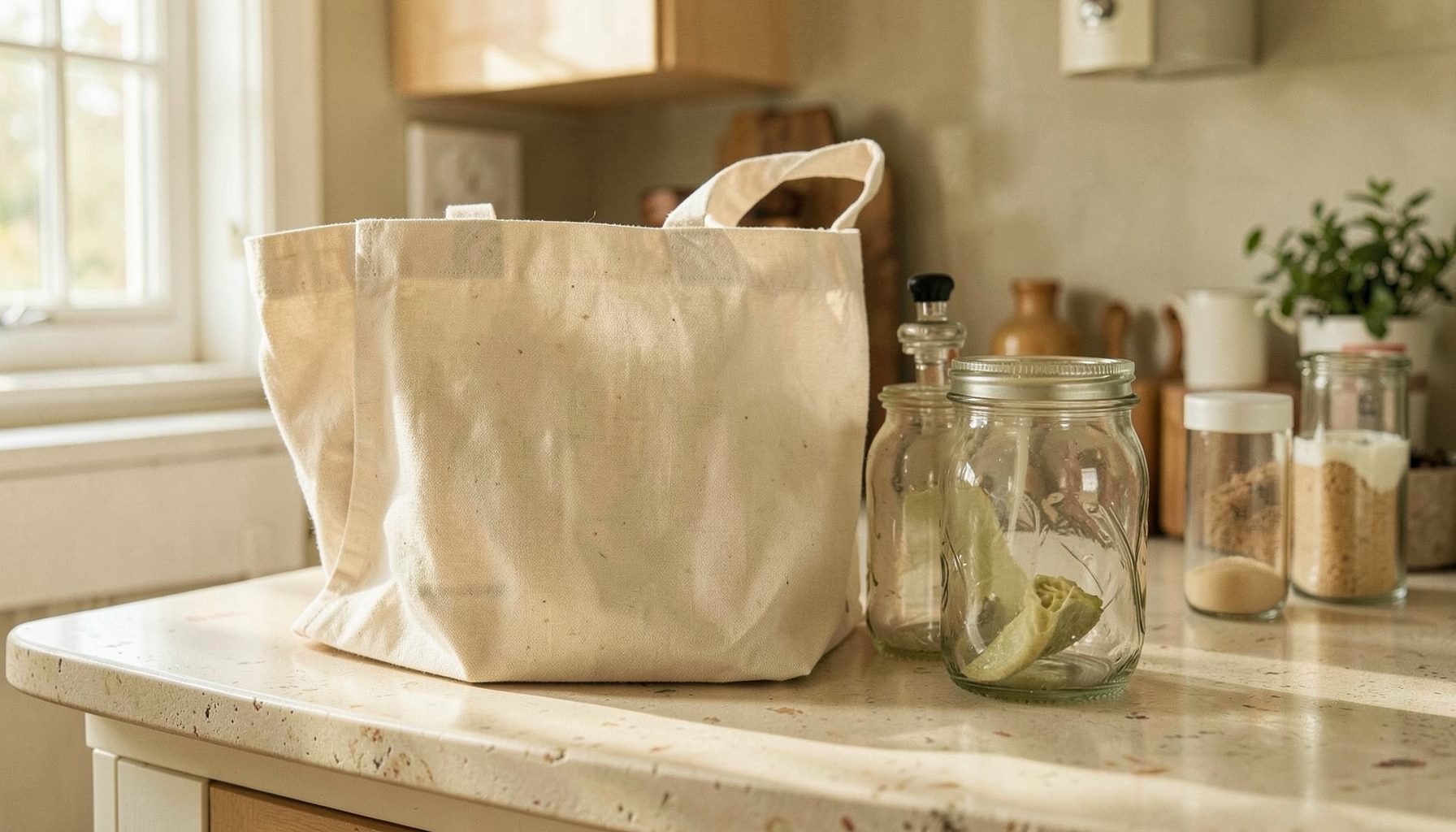
The way people shop for everyday household products is changing, and Siklus sits at the center of that transformation. Instead of relying on single-use packaging that ends up in landfills or oceans, the refill model delivers the same trusted products directly to customers' doors in reusable containers. This approach removes the constant cycle of buying, using, and discarding plastic bottles, replacing it with a practical system that keeps containers in circulation. For households across Indonesia, this means less clutter, lower overall costs, and a genuine reduction in their environmental footprint without sacrificing convenience or the quality of the products they rely on daily.
Plastic pollution is one of the most pressing environmental challenges facing cities today, and Jakarta is no exception. When single-use packaging is discarded improperly, it blocks drainage systems, strains landfills, and eventually finds its way into waterways and the ocean. The refill model directly confronts this problem at its source by eliminating the need for disposable packaging altogether. Every refill delivered represents a container that did not need to be manufactured, shipped, and thrown away. Over time, these individual choices accumulate into meaningful savings for the environment, preventing waste before it ever has the chance to become a problem.
The economics of refill retail work in favor of both consumers and the environment. When a product is sold in a reusable container, the cost of packaging is dramatically reduced, and those savings can be passed along to customers. Households that consistently choose refills find that their spending on everyday essentials becomes more predictable and more affordable. At the same time, companies benefit from a more efficient distribution model that wastes less material and generates less overhead. It is a system that proves sustainability and smart business can go hand in hand, rewarding everyone who participates in the cycle.
Siklus was founded with a clear mission: to make plastic-free living practical, attractive, and accessible for everyday people. The team behind the venture brings together backgrounds in engineering, marketing, and operations, combining technical know-how with a deep understanding of consumer behavior. Building a startup in this space requires navigating logistics, partnerships, and community engagement, all while keeping the core promise of convenience intact. The result is a service that does not ask people to radically change their habits, but rather offers them a smarter way to do what they already do every single day.
Technology plays a central role in making the refill system work at scale. A mobile platform allows customers to browse products, schedule deliveries, and manage their containers with ease, removing friction from the entire experience. Behind the scenes, the same technology helps coordinate logistics, track reusable packaging through its lifecycle, and ensure that supply meets demand across different communities. This digital backbone transforms what could be a complicated operational challenge into a seamless service that feels effortless to the user, proving that sustainability can be built on modern, efficient infrastructure.
Community engagement is essential to the success of any refill program. When neighbors see one another participating in plastic-free living, it normalizes the behavior and encourages wider adoption. Siklus works with communities to build awareness around waste management and the benefits of reuse, helping people understand how their daily choices connect to larger environmental outcomes. This grassroots approach means the movement grows organically, one household at a time, creating a ripple effect that extends far beyond individual purchases and into the collective consciousness of entire neighborhoods.
The refill model also opens up new possibilities for retail partnerships and product distribution. Rather than competing with traditional stores, the service complements existing channels by offering an alternative that prioritizes sustainability without compromising on selection or quality. Partners can participate in a system that reduces their packaging costs while appealing to increasingly environmentally conscious consumers. As more companies recognize the value of aligning with circular economy principles, the network of available products continues to expand, giving customers even more reasons to make the switch to refills.
Visualizing the impact of plastic-free retail helps people understand what is truly at stake. Every piece of packaging that is reused instead of discarded represents a small victory against ocean pollution, landfill overflow, and the environmental damage caused by mass-produced single-use items. The mission extends beyond individual convenience to encompass a broader vision of cleaner cities, healthier ecosystems, and more responsible consumption patterns. By removing plastic from the equation at the point of purchase, the entire supply chain becomes leaner and cleaner, from manufacturer to doorstep.
The future of retail is being built on principles of reuse, reduction, and responsibility. As awareness grows around the true costs of plastic pollution, more households are seeking out alternatives that align with their values without demanding sacrifices in convenience or affordability. The refill model answers that demand with a system that is practical, scalable, and genuinely better for the planet. It represents a shift away from a throwaway culture and toward a mindset where resources are valued and kept in use for as long as possible, one refill at a time.